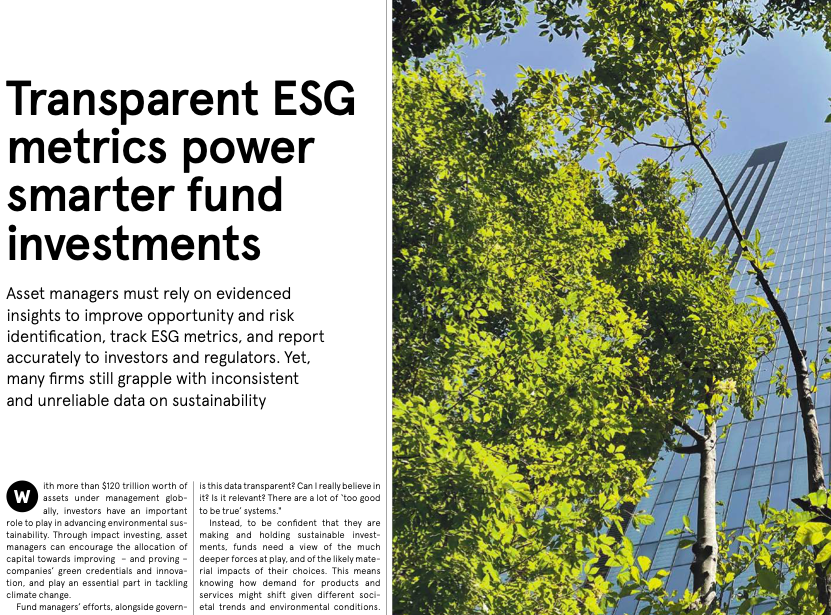
 For SMEs, efficiently allocating workspaces and meeting rooms in the hybrid workplace has become a major challenge. This has prompted a concerted move, among many, to agile desk booking.
 In today’s digital era, companies are being deluged by data and analytical tools. This means there is often a painful mismatch between the information they rely on and the brand experiences their customers need across different channels.
At the same time, as the global economy experiences turbulence, business leaders need to unlock new areas of growth through modern customer activation strategies.  Globally, companies responded and recovered from the pandemic conditions by launching significant metamorphoses, and mergers and acquisitions played an instrumental role in this journey. Indeed, in 2021, against the backdrop of the most challenging conditions, corporates and private equity firms spent an unprecedented $5 trillion on M&A, the highest activity ever recorded.
 Brands must understand motives in virtual environments if they are to create powerful, engaging experiences that build loyalty. Successful navigation of these arenas will add powerful value to campaigns.
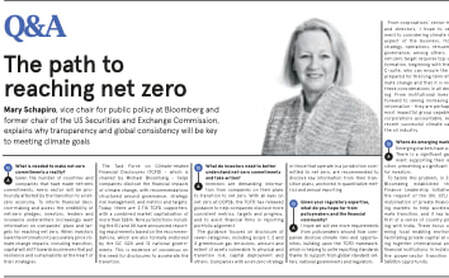 Bloomberg's vice chair for public policy, Mary Schapiro, was chair of the US Securities and Exchange commission. In this exclusive interview, she explains why transparency and global consistency will be key to meeting climate goals.
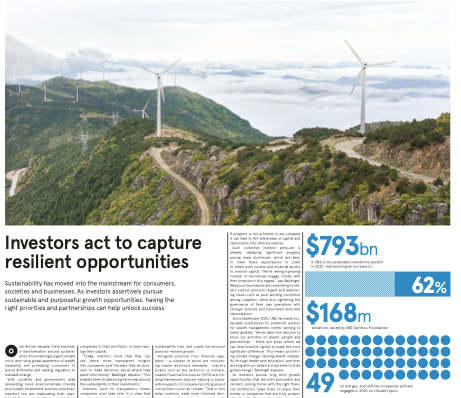 Sustainability has moved into the mainstream for consumers, societies and businesses. As investors assertively pursue sustainable and purposeful growth opportunities, having the right priorities and partnerships unlock success.
 A powerful combination of environmental, social, and governance (ESG) demands is driving private equity funds and corporations to urgently transform their core strategies. Considerable shifts in consumer awareness and spending patterns, employee expectations, regulatory frameworks, and industry perception have prompted investors to
reassign billions of dollars using ESG lenses. Businesses must acknowledge this turbulent change by rapidly reshaping strategy and incorporating M&A as a cornerstone for swift and lasting improvements. After assets under management (AUM) in ESG-geared funds crossed the $1 trillion threshold in 2020, the following six months saw an unprecedented $103 billion worth of corporate and fund ESG activity3 as businesses jettisoned problematic units and launched bold sustainability acquisitions. 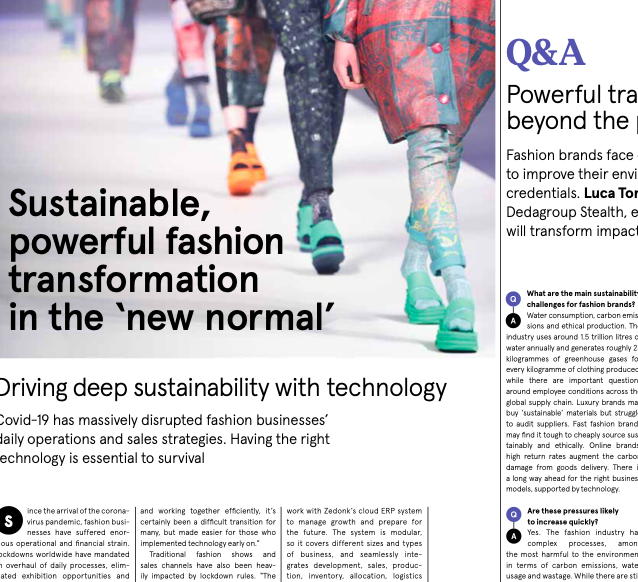 Covid-19 has massively disrupted fashion houses' operations. Making the right strategic choices is essential to their survival.
 Tax credits and incentives are set to be an essential part of stimulus as countries seek to recover from the economic impacts of Covid-19. We examine how tax programmes can be structured to drive effective investment and economic growth. |
Recent portfolioA selection of articles, reports and other content. Archives
February 2024
Categories
All
|

 RSS Feed
